What New Tariffs Mean for Small & Medium Pet Retailers in 2025?

Introduction
In 2025, new global tariff regulations are reshaping the cost structures for small and medium-sized pet retailers worldwide. Whether you run an online Shopify pet store or a brick-and-mortar pet shop, these changes will impact your margins, sourcing strategies, and customer pricing. Understanding how tariffs affect both eCommerce and offline retail is critical to staying competitive in a price-sensitive market.
In this article, we’ll break down the tariff impact on pet retailers, analyze challenges for online vs. offline channels, and share practical solutions—such as leveraging small-batch wholesale sourcing from platforms like petbw—to adapt and thrive.
How 2025 Tariffs Are Reshaping the Pet Retail Landscape
The 2025 tariff hikes primarily target imported goods from manufacturing hubs like China and Southeast Asia, where a majority of pet products—toys, leashes, feeders, apparel, and grooming tools—are produced.

Key changes include:
- Higher import duties (15–50%) on common pet supplies.
- Increased customs compliance checks and safety certifications.
- Rising freight costs driven by new trade policies.
These shifts impact pricing strategies, inventory planning, and supplier relationships for small and medium pet retailers.
Impact on Online Pet Retailers (Shopify & eCommerce)
1. Rising Product Costs & Margin Pressure
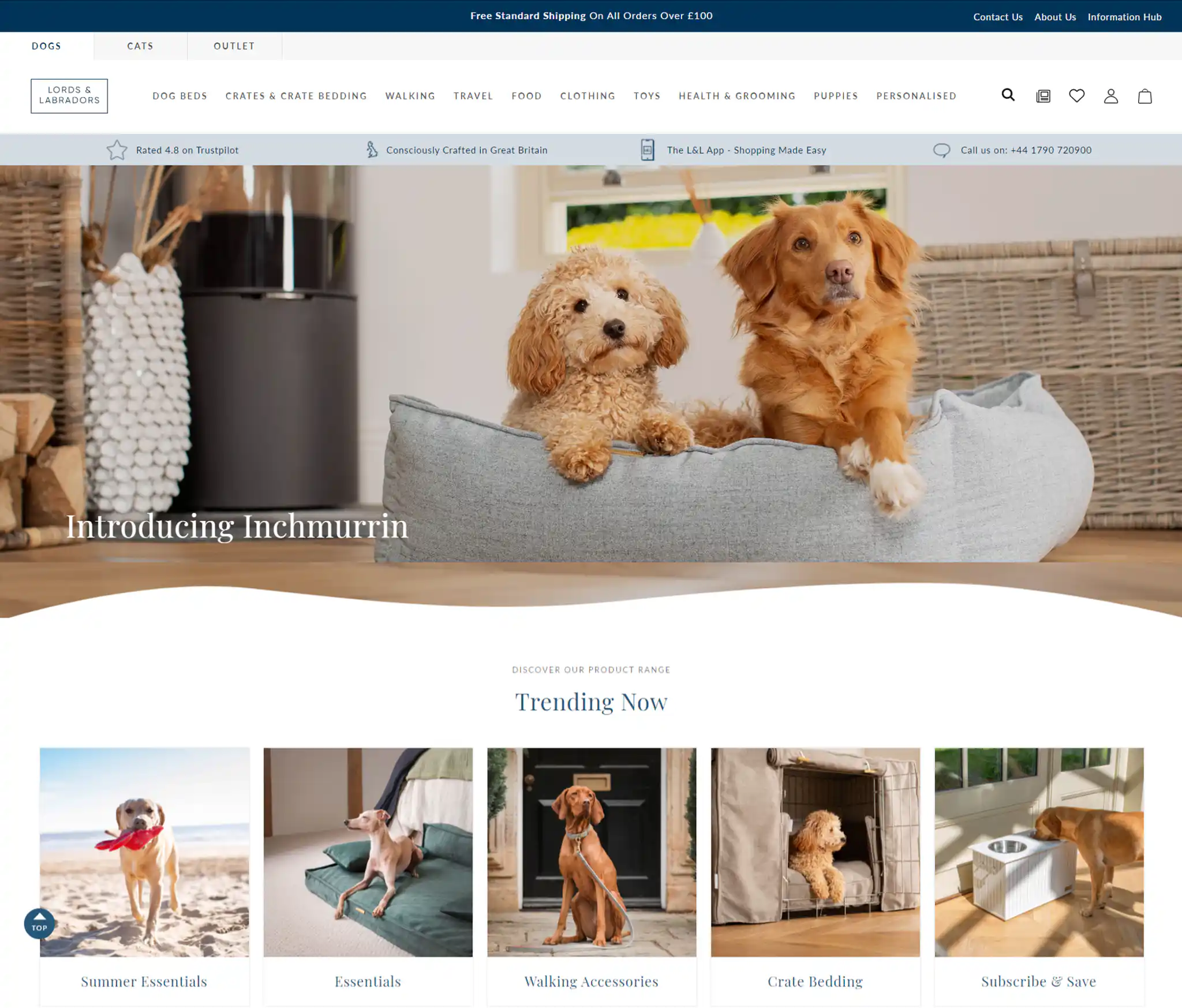
Online pet stores face immediate cost increases when importing tariff-affected goods. For smaller Shopify sellers who rely on overseas dropshipping or bulk imports, this means:
- Reduced profit margins unless prices are raised.
- Greater difficulty competing with larger marketplaces like Chewy or Amazon.
Solution: Source through low-MOQ wholesale platforms like petbw, which connect retailers directly with vetted manufacturers, bypassing middlemen to offset tariff costs.
2. Price Sensitivity & Customer Retention
eCommerce customers are highly price-sensitive, especially in the pet category. If tariffs push retail prices up by even 10%, shoppers may:
- Switch to lower-cost competitors or alternative brands.
- Reduce spending on premium or non-essential pet products (e.g., smart feeders, luxury beds).
Strategy Tip: Bundle essential SKUs (leashes, toys, grooming tools) with value-driven packages or loyalty discounts to keep repeat customers engaged.
3. Cross-Border Selling & Compliance Complexity
International shipping for online pet stores is becoming riskier with tariffs and varying VAT rules:
- Shipments can face unexpected customs duties, leading to returns and poor reviews.
- Mislabeling (e.g., on pet food or health products) may cause customs seizures.
Solution: Partner with logistics providers experienced in tariff compliance or focus sales within tariff-free trade zones where possible.
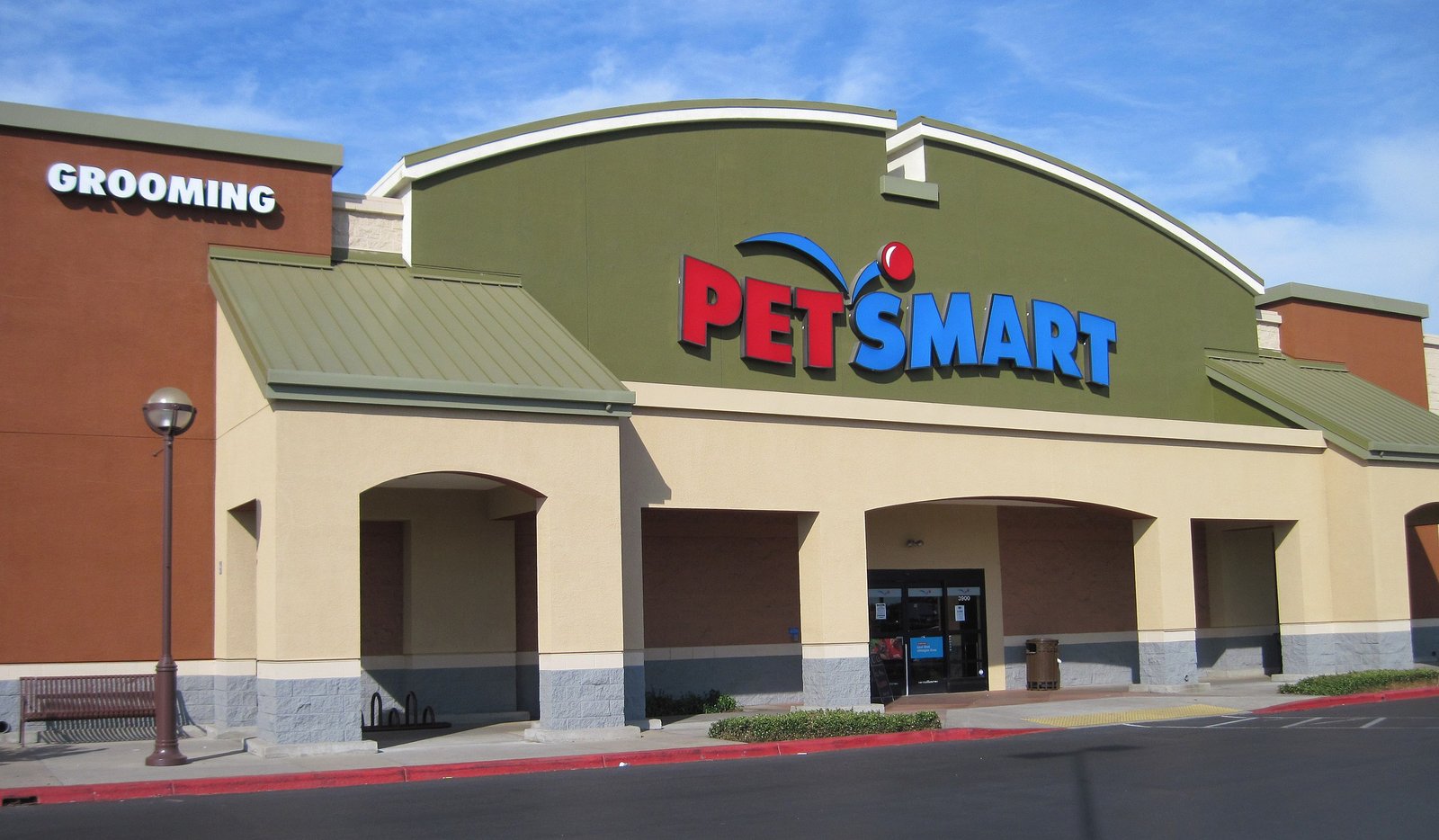
Impact on Offline Pet Retailers (Brick-and-Mortar Shops)
1. Inventory Stockpiling vs. Cash Flow Risks
Physical pet stores often stock in bulk ahead of price hikes. While this can hedge against tariffs, it ties up capital and risks dead inventory if trends shift.
Solution: Use just-in-time replenishment through platforms like petbw, where you can order small batches (low MOQs) and react faster to local demand trends without over-investing in slow movers.
2. Local Sourcing Pressure
To avoid tariff costs, many offline retailers pivot to regional distributors or local brands. While this reduces import risk, it limits variety and may raise wholesale costs due to smaller domestic supply chains.
Hybrid Approach: Mix tariff-free domestic staples (like pet treats or grooming sprays) with imported niche items via small-batch wholesale to maintain assortment without heavy import exposure.
3. Customer Pushback on Price Hikes
In-store shoppers notice price increases more directly. Higher shelf prices for toys, collars, or bedding may lead to slower turnover and pressure to discount, further squeezing margins.
Countermeasure: Offer exclusive products not available in large chains, leveraging direct-from-factory sourcing via petbw to provide value while maintaining healthy margins.
Tariff Strategies for Both Online & Offline Retailers
1. Diversify Sourcing Regions
Look beyond tariff-heavy countries by sourcing from alternative manufacturing hubs (e.g., Vietnam, India) or local suppliers.
2. Adopt Low-MOQ Wholesale
Platforms like petbw allow small retailers to purchase factory-direct pet products in small quantities, ideal for testing new SKUs and reducing tariff exposure.
3. Streamline SKUs & Focus on Essentials
Prioritize high-turnover essentials—leashes, feeding bowls, grooming brushes—that maintain steady demand regardless of tariff-related price pressures.
4. Educate Customers on Value
Transparency matters. Let customers know you’re sourcing smarter (e.g., direct from manufacturers) to keep prices competitive despite tariffs.
Case Study: Leveraging petbw to Offset Tariffs
A mid-sized U.S. pet retailer with both a Shopify store and local shop shifted 40% of their imports to petbw’s small-batch wholesale model in 2025.
- Savings: Reduced landed costs by 12% despite tariff hikes.
- Faster Turnover: Low MOQs allowed more frequent new product launches, boosting repeat visits.
- Competitive Edge: Customers appreciated exclusive, non-chain products at stable pricing.
This hybrid sourcing model helped them stay profitable while larger competitors struggled with rising import costs.
Conclusion
For small and medium pet retailers, the 2025 tariff environment presents challenges but also opportunities. Whether you sell online via Shopify or operate a local store, success will hinge on adaptive sourcing strategies, smart inventory planning, and leveraging platforms like petbw for low-MOQ, direct-from-manufacturer wholesale.
By combining tariff mitigation tactics with consumer-focused pricing strategies, pet retailers can navigate trade volatility while continuing to meet growing demand in the booming pet care market.